




A New Weapon Against Malta’s Most Common Male Cancer
Robotic Surgery Changes the Landscape for Prostate Cancer
Prostate cancer is the most common cancer among men in Malta, with around 300 new cases diagnosed every year and approximately 50 lives lost annually.
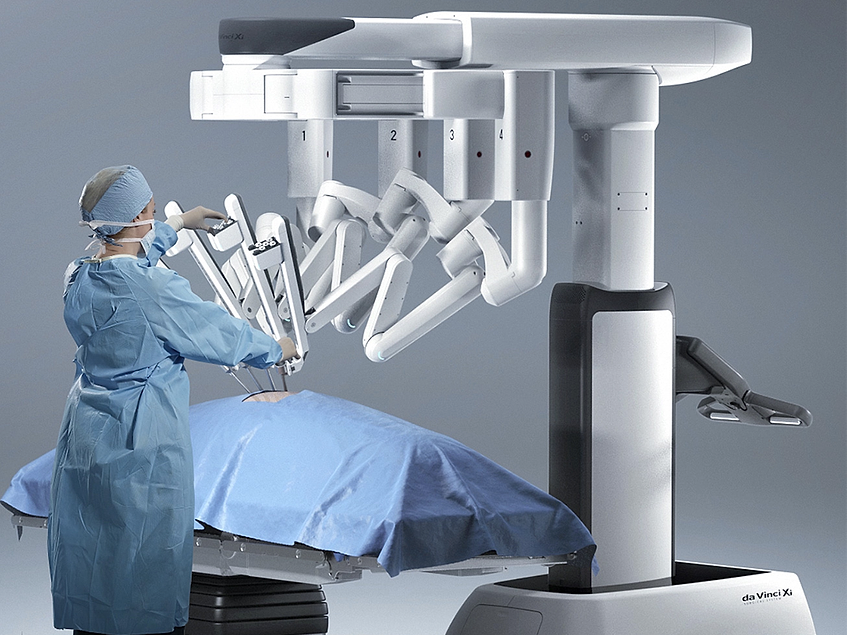
Against this backdrop, Saint James Hospital’s €3.2 million investment in the Intuitive Da Vinci Xi robotic system represents a pivotal step forward — not only for the hospital, but for every man on the island.

Following its first successful robotic-assisted prostatectomy in March, Saint James is now the only private hospital in Malta with this capability, and expects to perform around 20 such procedures annually.
CEO Jean-Claude Muscat described the milestone as a defining moment:
“This advancement positions Saint James Hospital at the forefront of minimally invasive surgical innovation within the private sector and further reduces the need for patients to seek treatment abroad.”
Gold-Standard Precision, Better Outcomes for Patients
The robotic-assisted procedure is performed using the Da Vinci Xi system — the globally recognised gold standard for radical prostatectomy — by Italian urologist Professor Antonio Carbone, an academic surgeon at the Sapienza University of Rome, supported by a team of Malta-based visiting consultants specialised in robotic surgery.
The system provides surgeons with enhanced 3D high-definition visualisation, greater dexterity and, in effect, two additional robotic hands working with a level of precision no human hand can replicate alone.
Prof. Carbone explains:
“This robotic-assisted procedure reduces complications such as bleeding and incontinence, and cuts down on the possibility of erectile dysfunction after the procedure.”
Patients typically experience less post-operative pain and a significantly faster recovery compared to both open and laparoscopic approaches.
Early Detection Saves Lives — Saint James Can Help
While the surgical capability is a landmark achievement, Muscat is equally focused on what comes before the operating table: early detection.
Saint James Hospital has introduced a dedicated prostate cancer screening protocol using the latest MRI technology, alongside advanced biopsy procedures for cases where suspicious lesions are identified.
A simple PSA blood test and a non-invasive ultrasound are often all it takes to begin the screening process — yet many men continue to avoid these steps due to fear or misconception.
Muscat is clear on the message: regular screening for men over 50, or those at increased risk, is essential.
“Over the last 20 years there was a major shift from open surgery to keyhole interventions, and we are now witnessing a similar shift to robotic-assisted surgery,” he said. “We expect it to become increasingly standardised, opening the way for all patients to benefit from the most advanced surgical options available.”
Saint James Hospital CEO Jean-Claude Muscat